Evaluating the Transfusion Glyph Icon: A Practical Guide for Designers
Understanding the Core Asset
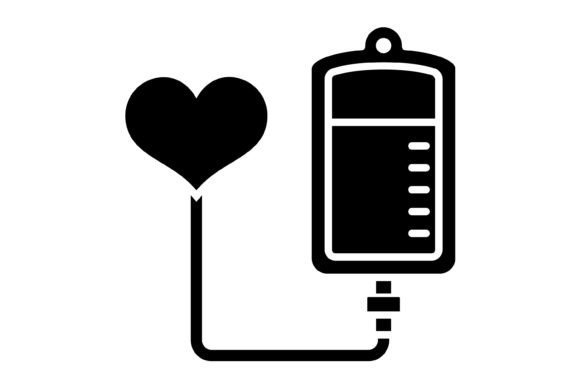
The Transfusion Glyph Icon represents a specific graphical asset designed for use in medical, health-tech, and user interface design contexts. As a glyph, it typically features a simplified, monochromatic vector illustration intended to convey the concept of blood transfusion clearly and quickly. This particular asset is distributed as a comprehensive package containing five distinct file formats: AI, EPS, JPG, PNG with a transparent background, and SVG. The inclusion of these formats suggests that the icon is engineered for versatility, catering to various stages of the design and development pipeline, from initial vector editing in Adobe Illustrator to final implementation in web or mobile environments.
Assessing the File Format Variety
A primary consideration for any designer evaluating this icon is the utility of the provided file formats. The presence of AI and EPS files indicates that the icon is built on vector mathematics, allowing for infinite scalability without loss of quality. This is crucial for high-resolution displays and print media. The SVG (Scalable Vector Graphics) format is particularly relevant for modern web development, as it allows for lightweight, responsive graphics that can be manipulated via CSS and JavaScript. The inclusion of JPG and transparent PNG files covers the needs for static environments or legacy systems where vector editing is not required. For a user deciding on this asset, the format variety eliminates the need for file conversion, reducing friction in the workflow.
Evaluating Usability and Scalability
The description of the Transfusion Glyph Icon emphasizes "maximum usability" and "easy to edit." When evaluating such claims, one must consider the structural integrity of the vector file. A well-designed glyph should utilize clean paths and consistent stroke weights, which aligns with the feature of being "ready to use for all devices and platforms." For a project requiring responsive design—where an icon must look sharp on a 4K monitor and a small mobile screen—vector formats are non-negotiable. If the icon maintains its clarity at extreme zoom levels, it meets the standard for professional illustration. The promise of being "easy to edit" also implies that the layers or paths are not overly complex, allowing designers to modify colors or shapes to fit specific brand guidelines without extensive reconstruction.
Contextual Use Cases: Where It Fits Best
Determining if the Transfusion Glyph Icon aligns with your goals requires analyzing the context of your project. This asset is a strong fit for several specific scenarios:
- Medical Applications and Dashboards: For mobile health apps or hospital management software, a clear, standardized icon for transfusion is essential for user recognition and safety.
- Presentation and Educational Materials: In corporate presentations or academic templates, a clean glyph adds a professional touch without distracting from the content.
- Print Media: The availability of EPS and AI files makes this suitable for medical brochures, pamphlets, or signage where high-DPI printing is required.
- Web Design: The SVG and transparent PNG formats are ideal for medical websites, allowing the icon to overlay various background colors seamlessly.
If your project involves creating a comprehensive medical icon library, the consistency of a pre-designed set ensures visual harmony across the user interface.
Tradeoffs and Alternatives to Consider
While the Transfusion Glyph Icon offers significant utility, there are tradeoffs to consider. A glyph icon is inherently abstract. If your project requires a hyper-realistic illustration or a 3D rendering to convey a specific emotional tone, a flat glyph may appear too minimalistic. In such cases, an alternative would be a detailed illustration or a photograph.
Furthermore, the description mentions "100 vector icons," which implies this icon might be part of a larger set. If a designer only needs the single transfusion icon, purchasing or downloading a full pack might be inefficient regarding cost or file management. Conversely, if the icon is sold as a standalone item without the context of a matching set, integrating it into an existing design system with a different style (e.g., outline vs. filled) could create visual dissonance. In scenarios requiring high customization, starting from scratch in a vector tool might offer more control than modifying an existing glyph.
Practical Decision-Making Insights
To determine if the Transfusion Glyph Icon is the right choice, consider the following decision points:
- Platform Compatibility: Does your development environment support the provided formats? If you are building a lightweight mobile app, the SVG or PNG formats are critical. If you are using a specific CMS or design tool, verify that it accepts AI or EPS imports.
- Scalability Needs: Will the icon be used in both print and digital contexts? The vector nature of the AI and EPS files makes this asset suitable for multi-channel campaigns.
- Editing Requirements: Do you need to alter the icon significantly? If the icon requires complex modifications, ensure you have the software capability to edit vector paths.
- Visual Consistency: Does the style of the glyph match the rest of your UI kit? A mismatch in line weight or color palette can degrade the user experience.
Ultimately, the Transfusion Glyph Icon is a functional tool designed for efficiency and clarity. It is best suited for projects that prioritize clean, scalable graphics and require rapid deployment across various media types. By weighing the file format utility against the specific stylistic needs of your project, you can make an informed decision on whether this asset aligns with your design objectives.